generative ai
Events
Generative KI und die Verführung der Reibungslosigkeit
Vortrag von Prof. Dr. Judith Simon
Die breite Nutzung Generativer KI setzt gesellschaftliche Praktiken vielfach unter Druck: im Öffentlichen und Privaten, in Bildung und Wissenschaft, in Wirtschaft, Journalismus und Politik. In diesem Vortrag werden mit Hilfe des Konzepts der Reibungslosigkeit sowohl die Ursachen als auch die epistemischen, ethischen und gesellschaftlichen Konsequenzen dieser Disruption analysiert.
Judith Simon ist Professorin für Ethik der Informationstechnologien an der Universität Hamburg. Sie forscht zu ethischen, erkenntnistheoretischen und politischen Fragestellungen, welche sich durch digitale Technologien und künstliche Intelligenz ergeben sowie zur Philosophie des Vertrauens. Bis Juni 2026 war sie stellvertretende Vorsitzende des Deutschen Ethikrats. Im selben Monat wurde sie in das AI Act Scientific Panel der Europäischen Kommission berufen.
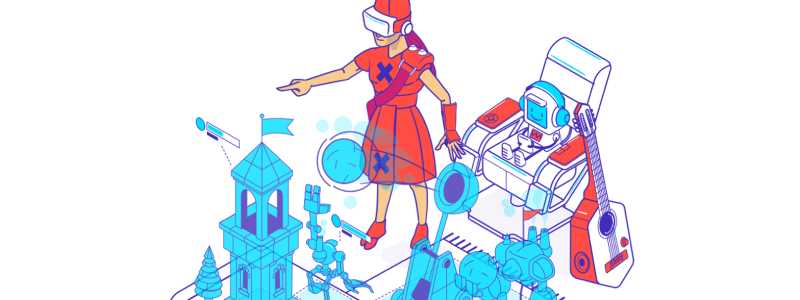
GI VR/AR Workshop
The workshop of the special interest group Virtual Reality and Augmented Reality (VR/AR) of the Gesellschaft für Informatik e. V. (GI) is a platform for the exchange of information and ideas. Interested parties from science and practice meet once a year to discuss current results and projects from research and development with an expert audience.
Virtual Social Interaction by Sylvia Xueni Pan
From Virtual Reality to Perception Engineering by Steven M. LaValle
Institution
- HAW (Forum Finkenau)
Hello, it‘s me! Einen Digitalen Zwilling (Avatar) mit KI-Tools erstellen
In dieser 30-minütigen Online-Schulung geben wir Ihnen einen Überblick darüber, wie Sie mithilfe von KI-Tools Ihren eigenen digitalen Zwilling - einen Avatar - erstellen und für Ihren videobasierten Unterricht nutzen können.
Die Gestaltung von Lehrvideos mit einem Avatar, der mit Hilfe von KI-Tools erstellt wurde, kann eine effektive Methode sein, um automatisiert ansprechende und personalisierte Lerninhalte zu erstellen.
Diese Online-Schulung ist ideal für Einsteiger/innen, die sich mit der Erstellung von digitalen Zwillingen vertraut machen möchten.
Die Stiftung Innovation in der Hochschullehre (StIL) und das Netzwerk Landeseinrichtungen für digitale Hochschullehre (NeL) stellen wegen des großen Bedarfs an KI-bezogenen Qualifizierungs- und Unterstützungsmaßnahmen vielfältige Angebote zur Verfügung.
Schwerpunkte sind:
- Was sind digitale Zwillinge und welche Anwendungen gibt es?
- Vorstellung der besten und zugänglichsten KI-Tools zur Erstellung von Avataren.
Anmeldung hier
Als virtuellen Lernort werden wir ZOOM nutzen. Der ZOOM-Link wird einen Tag vor Schulungsbeginn bis 13:00 Uhr versendet.
Institution
- Multimedia Kontor Hamburg gGmbH
Hello, it‘s me! Einen Digitalen Zwilling (Avatar) mit KI-Tools erstellen
In dieser 30-minütigen Online-Schulung geben wir Ihnen einen Überblick darüber, wie Sie mithilfe von KI-Tools Ihren eigenen digitalen Zwilling - einen Avatar - erstellen und für Ihren videobasierten Unterricht nutzen können.
Die Gestaltung von Lehrvideos mit einem Avatar, der mit Hilfe von KI-Tools erstellt wurde, kann eine effektive Methode sein, um automatisiert ansprechende und personalisierte Lerninhalte zu erstellen.
Diese Online-Schulung ist ideal für Einsteiger/innen, die sich mit der Erstellung von digitalen Zwillingen vertraut machen möchten.
Anmeldung hier
Als virtuellen Lernort werden wir ZOOM nutzen. Der ZOOM-Link wird einen Tag vor Schulungsbeginn bis 13:00 Uhr versendet.
Institutions
- Multimedia Kontor Hamburg gGmbH
HHAI-Score - Generative KI lernen, ausprobieren, anwenden und reflektieren
Generative KI durchdringt die Arbeitswelt in rasantem Tempo und verändert Arbeitsweisen und Jobprofile. Unser Ziel ist es, Hamburg fit für die Nutzung von Generativer KI zu machen.
Zusammen mit vielen Hamburger Partnern haben wir daher die Initiative HHAI-Score ins Leben gerufen. Wir möchten möglichst vielen Menschen in Hamburg die Zukunftskompetenz der produktiven und reflektierten Anwendung Generativer KI vermitteln. Unternehmen und Organisationen können sich untereinander vernetzen und erhalten Orientierung und Organisationshilfe sowie einen strukturierten Überblick über Anwendungsmöglichkeiten und Fallstricke. Multiplikatoren und Partner erzeugen dabei die notwendige Reichweite und Effektivität der Qualifizierung.
Dieses Event richtet sich an KI-Einsteiger ebenso wie an Experten. Wir bieten eine Einführung und vertiefende Workshops. Sie haben die Option, die Möglichkeiten generativer KI in Kleingruppen unter Anleitung ganz praktisch auszuprobieren (Prompt-a-thon) oder sich mit erfahrenen Experten über die Umsetzungsstrategien im Unternehmen und bereits gewonnene Erfahrungen auszutauschen und zu vernetzen (Experts Lounge).
Institution
- fAIstival.hamburg
KI für die Wissenschaften: Auf dem Weg zum Verständnis
Vortrag von Prof. Dr. Klaus-Robert Müller
In den letzten Jahren spielen Methoden des maschinellen Lernens (ML) und der künstlichen Intelligenz (KI) in der Wissenschaft und in der Industrie eine immer wichtigere Rolle. Insbesondere das Aufkommen großer und / oder komplexer Datensätze hat neue technologische Herausforderungen und Möglichkeiten mit sich gebracht.
In diesem Vortrag wird auf das Thema „ML-Anwendungen in den Wissenschaften“ eingegangen, insbesondere in der Medizin und, sofern es die Zeit erlaubt, auch in der Chemie. Zudem werden Möglichkeiten erörtert, wie Informationen aus Machine-Learning-Modellen gewonnen werden können, um unser Verständnis nichtlinearer ML-Modelle zu vertiefen. Abschließend geht es kurz um Perspektiven und Grenzen der Anwendungen.
Klaus-Robert Müller ist Professor für Maschinelles Lernen an der TU Berlin und an der Korea University in Seoul. Er ist Direktor von BIFOLD, einem der fünf dauerhaft geförderten deutschen nationalen KI-Zentren. Er ist Mitglied der Leopoldina, der Berlin-Brandenburgischen Akademie der Wissenschaften und von Acatech sowie externes wissenschaftliches Mitglied der Max-Planck-Gesellschaft. Unter anderem erhielt er den Berliner Wissenschaftspreis, den Vodafone Innovationspreis, den Hector Wissenschaftspreis, den Feynman Preis, den IEEE CIS NeuralNetwork PioneerAward und den Gottfried Wilhelm Leibniz-Preis. Seit 2019 wurde er fortlaufend als „ISI HighlyCitedResearcher“ ausgezeichnet. Seine Forschungsinteressen liegen in den Bereichen KI für die Wissenschaften sowie Grundlagen der KI.
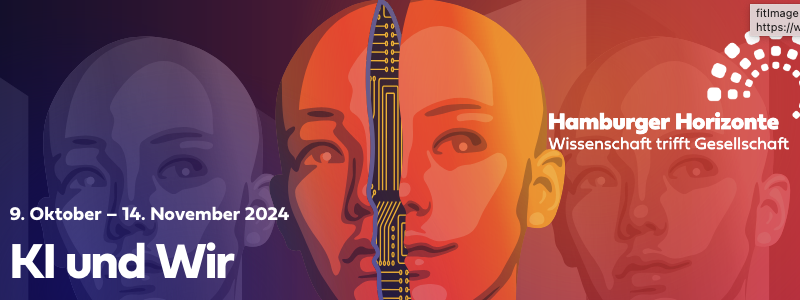
KI und Wir
Die Veranstaltungsreihe beschäftigt sich in diesem Herbst unter dem Titel KI und Wir mit den rasanten und grundlegenden Veränderungen unserer Gesellschaft durch künstliche Intelligenz.
Vom 9. Oktober bis zum 14. November diskutieren Expert:innen aus Wissenschaft, Politik und Praxis mit dem Hamburger Publikum über das Potenzial von ChatGPT und Co. Wie können die neuen Technologien Medizin und Klimaschutz voranbringen oder auch in der Kunst genutzt werden? Wo kann KI beim Lernen in Schule, Hochschule und darüber hinaus unterstützen? Welche Regulierungen oder Transparenzvorschriften brauchen wir dabei? Um diese und andere Fragen geht es in vielfältigen Formaten von Podiumsdiskussionen über Ausstellungen bis hin zu interaktiven Workshops, die zum
Mitdiskutieren, Dazulernen und Ausprobieren einladen. Die Veranstaltungen finden u.a. an der Uni Hamburg statt. Viele UHH-Mitglieder tragen aktiv zum Programm bei.
Institutions
- UHH
- HIAS
- Körber Stiftung
KI zum Anfassen - (wie) geht das?
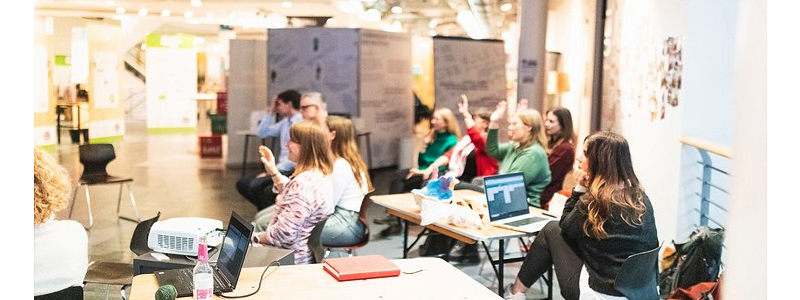
Wie funktioniert Künstliche Intelligenz, wie kann man sie nutzen und welche Probleme kann es geben? Um diese Fragen und mehr geht es bei der Transferveranstaltung "KI zum Anfassen – (wie) geht das?" von Prof. Dr. Heike Zinsmeister, Prof. Dr. Julia Nantke und Prof. Dr. Ralf Möller im Jupiter Kreativkaufhaus in der Mönckebergstraße.
Ein selbstgebauter Chatbot, Shake Hands mit Roboter Pepper oder ein Avatar, der Wahlwerbung macht – alle sind eingeladen, an zahlreichen Stationen KI-Tools selbst zu testen und mit Forscher:innen der Fakultät über die Hintergründe ins Gespräch zu kommen:
KI, wie geht das? – Grundlagen der KI
Wer kennt sich schon mit den Grundlagen aus? Wir laden zu einem Quiz ein: Was ist ein Sprachmodell? Warum werden in den Großen Sprachmodellen („LLMs“) Wörter als Zahlen, genauer als Vektoren im Raum dargestellt? Was ist daran innovativ? Wie kommt es, dass diese Sprachmodelle alle unsere Vorurteile und Stereotypen mitlernen – und was kann man dagegen tun?
Der Eintritt ist frei!
Institutions
- Digital Humanities LAB

Lectures Series: AI-Enhanced Life: Empowering Your Personal and Professional Journey Through Generative AI
Distinguished Lecture Series in Business Analytics and Data Science
The Distinguished Lecture Series in Business Analytics & Data Science at Kühne Logistics University (KLU) presents public lectures on selected topics in analytics, data science, and their applications across various industries, including logistics and supply chain management. Targeted at students, alumni, industry professionals, and other interested individuals, the series offers insights into the latest advancements, trends, and challenges in these fields. Attendees gain valuable knowledge on how data-driven decision-making can transform business operations and enhance efficiency in today's digital economy.
"AI-Enhanced Life: Empowering Your Personal and Professional Journey Through Generative AI”
Generative AI is advancing at such a rapid pace that it can be difficult to keep up. New tools, features, and opportunities are emerging almost daily, opening up a world of possibilities. In this talk, we will explore how AI is no longer just a tool for efficiency, but a catalyst for creativity, decision-making, and personal growth. We will dive into the ways Generative AI can enhance individual potential by helping people unlock new levels of productivity, streamline everyday tasks, and fuel innovation in the workplace. In the professional realm, we will discuss how AI-driven insights are transforming industries, allowing for more agile business strategies and improved collaboration between humans and machines. By examining real-world use cases and offering practical insights, this talk will equip you with the knowledge to embrace AI in your own journey.
Event free of charge, Register now!
Institution
- Kühne Logistics University (KLU)
Lectures Series: Optimisation for the Masses: No-Code, No-Math Modelling of Decision Problems
Distinguished Lecture Series in Business Analytics & Data Science
The Distinguished Lecture Series in Business Analytics & Data Science at Kühne Logistics University (KLU) presents public lectures on selected topics in analytics, data science, and their applications across various industries, including logistics and supply chain management. Targeted at students, alumni, industry professionals, and other interested individuals, the series offers insights into the latest advancements, trends, and challenges in these fields. Attendees gain valuable knowledge on how data-driven decision-making can transform business operations and enhance efficiency in today's digital economy.
Optimisation for the Masses: No-Code, No-Math Modelling of Decision Problems
Despite significant advancements in optimisation algorithms, their application remains limited to a narrow range of decision problems within businesses and organisations. Contributing to this gap between algorithmic innovation and practical usage is the complexity of translating real-world constraints into mathematical models required in order to be able to apply off-the-shelf optimisation solvers. Developing custom-made optimisation algorithms, as an alternative, demands substantial upfront investment and ongoing maintenance to ensure compatibility with evolving business needs. If such maintenance and adjustments are not done continuously, a significant technical debt can accumulate weakening overall competitiveness. This presentation shows how domain experts without expertise in mathematical modelling or programming can formulate and maintain decision problems graphically, providing all the information that is needed to apply algorithms for solving respective optimisation problems.
Event free of charge, Register now!
Institution
- Kühne Logistics University (KLU)
Let Data tell the Story: Das DDLitLab feiert seinen Abschluss!
Das bislang größte Projekt im Bereich der Digitalisierung von Studium und Lehre an der Universität Hamburg feiert seinen Abschluss. Gemeinsam blicken wir auf 4 ½ Jahre Digital and Data Literacy in Teaching Lab (DDLitLab) zurück, welches mit einem Fördervolumen von knapp 5 Mio. Euro Lehrinnovationen im Bereich der Digital und Data Literacy ermöglicht und Studienprogramme nachhaltig (weiter-) entwickelt hat.
Aus dem DDLitLab sind im Laufe des Projekts spannende, kreative und innovative Lehr- und Lernprojekte entstanden, die alle mit viel Herzblut entwickelt wurden. Mit dieser Abschlussfeier möchten wir gemeinsam auf die tollen Erlebnisse und Erinnerungen zurückblicken, die wir alle im Verlauf des Projekts sammeln durften.
Gleichzeitig eignet sich dieser Moment auch, um einen Blick nach vorne zu richten. Denn auch mit Projektende ist klar: Die Themen des DDLitLab bleiben relevant und verändern sich stetig weiter. Wir wünschen uns also, dass ihr und wir Themen der Digitalisierung, KI und Data Literacy weiterhin neugierig aber auch kritisch begleiten können.
Wir sind äußerst stolz auf die Leistungen aller Beteiligten – seien es Fellows, Studierende und alle weiteren Mitwirkenden – die maßgeblich zum Erfolg des DDLitLab beigetragen haben.
Institutions- DDLitLab, ISA-Zentrum
Let's bring history to life! 30 Minuten zu: KI-Avataren in der Wissenschaftskommunikation
Stellen Sie sich vor: Marie Curie erklärt Ihnen persönlich ihre bahnbrechenden Entdeckungen oder Isaac Newton führt Sie durch die Gravitationstheorie – unmöglich? Nicht mehr – dank KI!
Mittels KI-Avataren werden bedeutenden Persönlichkeiten der Wissenschaftsgeschichte neues Leben eingehaucht und komplexe akademische Inhalte in fesselnde Begegnungen verwandelt. Doch wie werden sie erstellt? Was sind die Herausforderungen und Chancen? Wir zeigen in dieser 30-minütigen Schulung, wie diese KI-Avatare generiert werden können und welche Resonanz sie auf Instagram und TikTok haben.
Als virtuellen Lernort werden wir ZOOM nutzen. Der ZOOM-Link wird einen Tag vor Schulungsbeginn bis 13:00 Uhr versendet.
Institutions
- Multimedia Kontor Hamburg gGmbH
Let's chat! 30-minütige Einführung in ChatGPT
In dieser 30-minütigen Online-Schulung schauen wir uns die grundlegenden Funktionen und Anwendungsmöglichkeiten von ChatGPT an. Dabei sprechen wir auch über GPTs: Chatbots, die sich ohne Programmierkenntnisse konfigurieren lassen.
Für die Teilnahme an dieser Schulung werden keine Vorkenntnisse vorausgesetzt.
Als virtuellen Lernort werden wir ZOOM nutzen. Der ZOOM-Link wird einen Tag vor Schulungsbeginn bis 13:00 Uhr versendet.
Institutions
- Multimedia Kontor Hamburg gGmbH
Let's delegate! 30 Minuten zu MS Copilot-Agenten
Warum alles selbst machen, wenn ein Agent unterstützen kann?
In dieser kompakten 30-minütigen Schulung lernen Sie die Möglichkeiten von Microsoft Copilot-Agenten kennen. Sie erfahren, wie Agenten auf Basis von Wissen, Dokumenten und Anweisungen erstellt werden und welche Aufgaben sie im Arbeitsalltag übernehmen können.
An konkreten Beispielen aus Verwaltung und Hochschulbetrieb zeigen wir, wie sich wiederkehrende Tätigkeiten delegieren, Informationen gezielt bereitstellen und Prozesse effizienter gestalten lassen.
Als virtuellen Lernort werden wir ZOOM nutzen. Der ZOOM-Link wird einen Tag vor Schulungsbeginn bis 13:00 Uhr versendet.
Institutions
- Multimedia Kontor Hamburg gGmbH
Let's generate Videos! 30 Min zu: Generative KI in der Videoproduktion
Wie sieht die Zukunft der Videoproduktion aus?
Diese Online-Schulung gibt Ihnen einen Überblick über die neuesten Anwendungen von künstlicher Intelligenz in der Videoproduktion.
Es wird gezeigt, wie KI-Tools die Art und Weise verändern, wie Videos erstellt, bearbeitet und optimiert werden.
Mittlerweile ist es sogar mit Hilfe von KI-Tools möglich, kurze Bewegtbildsequenzen aus Bildern und Text-to-Video-Prompts zu generieren.
Wie könnte nun ein zukünftiger Produktionsworkflow mit Hilfe von KI-Tools aussehen?
In dieser Schulung wird anhand von Beispielen gezeigt, wie generative KI die Videoproduktion verändert.
Anmeldung hier
Als virtuellen Lernort werden wir ZOOM nutzen. Der ZOOM-Link wird einen Tag vor Schulungsbeginn bis 13:00 Uhr versendet.
Institutions
- Multimedia Kontor Hamburg gGmbH
Let's generate Videos! 30 Min zu: Generative KI in der Videoproduktion
Wie sieht die Zukunft der Videoproduktion aus?
Diese Online-Schulung gibt Ihnen einen Überblick über die neuesten Anwendungen von künstlicher Intelligenz in der Videoproduktion.
Es wird gezeigt, wie KI-Tools die Art und Weise verändern, wie Videos erstellt, bearbeitet und optimiert werden.
Mittlerweile ist es sogar mit Hilfe von KI-Tools möglich, kurze Bewegtbildsequenzen aus Bildern und Text-to-Video-Prompts zu generieren.
Wie könnte nun ein zukünftiger Produktionsworkflow mit Hilfe von KI-Tools aussehen?
In dieser Schulung wird anhand von Beispielen gezeigt, wie generative KI die Videoproduktion verändert.
Institutions
- Multimedia Kontor Hamburg gGmbH
Let's generate Videos! Präsenzschulung zu: Videogenerierung mit KI-Tools
HINWEIS: Unsere Präsenzschulungen finden im Schulungsraum des MMKH (4. Stock, Saarlandstr. 30, 22303 Hamburg) statt und richten sich ausschließlich an Mitarbeiterinnen und Mitarbeiter der sechs staatlichen Hamburger Hochschulen und der SUB!
Let's generate Videos! Wie sieht die Zukunft der Videoproduktion aus?
In diesem Präsenzworkshop experimentieren wir mit KI-Tools zur Videogenerierung. Wir werden ausprobieren, wie Videoproduktion in Zukunft mit generativen KI-Tools möglich ist und wie ein KI-unterstützter Produktionsworkflow aussehen könnte. Als Übung wollen wir mit verschiedenen KI-Anwendungen kurze Videoclips generieren, in denen wir historische Persönlichkeiten als KI-Avatare zum Leben erwecken und ihre Geschichte erzählen lassen. In dieser Übung werden wir Sprache, Musik, Bilder und Videos durch reine Texteingabe in die KI-Anwendungen generieren.
Nach dem theoretischen Input haben die Teilnehmenden die Möglichkeit, die Technologien in kleinen Teams praktisch auszuprobieren. Bitte bringen Sie einen Laptop und Kopfhörer mit, um aktiv an der Schulung teilnehmen zu können!
Anmeldung hier
Als virtuellen Lernort werden wir ZOOM nutzen. Der ZOOM-Link wird einen Tag vor Schulungsbeginn bis 13:00 Uhr versendet.
Institutions
- Multimedia Kontor Hamburg gGmbH
Let's make it 3D! 30 Minuten zu: KI-Tools in der 3D-Entwicklung
3D-Entwicklung ist ein zeitaufwändiger Prozess. Von der Gestaltung und Erstellung digitaler Modelle und Materialien bis hin zum Schreiben von Programmcode und Funktionen für die Interaktion mit der virtuellen Umgebung - alles, was in der 3D-Anwendung an Inhalten und Funktionalität bereitgestellt wird, wurde von den Entwickler*innen mit Mühe produziert.
Um ansprechende Umgebungen im 3D-Raum zu schaffen, wird eine beträchtliche Menge davon benötigt, da diese sonst leer und langweilig wirken würden. In einer Zeit, in der sich KI-Tools rasant weiterentwickeln, scheint die Lösung dieser Herausforderung auf der Hand zu liegen:
Könnten uns diese KI-Tools nicht einen Großteil der Arbeit abnehmen, die mit der Erstellung dieser Inhalte und Funktionen verbunden ist? Das klingt zunächst verlockend. Aber wie realistisch ist das?
In unserer Online-Schulung stellen wir Ihnen Werkzeuge vor, die genau das zum Ziel haben: Die KI-gestützte Generierung von 3D-Content und Code, den wir direkt für die Entwicklung in der 3D-Engine nutzen und einsetzen können. Doch funktioniert das auch in der Praxis?
Einen Reality-Check, unsere Erfahrungen mit verschiedenen Tools sowie Tipps zur Integration dieser Tools in Ihre Entwicklungsprozesse möchten wir in unserem Workshop mit Ihnen diskutieren und einen Diskurs darüber führen, wohin die Reise mit KI-Tools in diesem speziellen Themenfeld noch gehen kann.
Anmeldung hier
Als virtuellen Lernort werden wir ZOOM nutzen. Der ZOOM-Link wird einen Tag vor Schulungsbeginn bis 13:00 Uhr versendet.
Institutions
- Multimedia Kontor Hamburg gGmbH
Let's meet & create! Einführung in KI-Text- und Bildgeneratoren (in Präsenz)
HINWEIS: Unsere Präsenzschulungen finden im Schulungsraum des MMKH (4. Stock, Saarlandstr. 30, 22303 Hamburg) statt und richten sich ausschließlich an Mitarbeiterinnen und Mitarbeiter der sechs staatlichen Hamburger Hochschulen und der SUB!
In dieser Präsenzschulung im MMKH bieten wir einen detaillierten Überblick über die bekanntesten KI-Text- und Bildgeneratoren. Wir diskutieren ihre Anwendungsmöglichkeiten im Hochschulbereich und beleuchten dabei auch die potenziellen Herausforderungen, die bei ihrer Nutzung auftreten können.
Nach dem theoretischen Input haben die Teilnehmenden die Gelegenheit, die Technologien praktisch auszuprobieren. Es wird empfohlen, ein Notebook mitzubringen, um aktiv an der Schulung teilnehmen zu können.
Die Schulung richtet sich an alle Interessierten, unabhängig von Vorkenntnissen im Bereich der Künstlichen Intelligenz.
Anmeldung hier
Als virtuellen Lernort werden wir ZOOM nutzen. Der ZOOM-Link wird einen Tag vor Schulungsbeginn bis 13:00 Uhr versendet.
Institutions
- Multimedia Kontor Hamburg gGmbH
Let's tell stories! 30 Minuten zu: Kreativer Social-Media-Content mit KI
In dieser 30-minütigen Online-Schulung zeigen wir, wie KI bei der Entwicklung kreativer Social-Media-Inhalte unterstützen kann. Ob spannende Einstiegsideen, überzeugende Texte oder passende Bildkonzepte - wir stellen verschiedene Möglichkeiten vor, Inhalte effizient und zielgruppengerecht zu erstellen. Darüber hinaus geben wir Tipps für einen authentischen Einsatz von KI in der Hochschulkommunikation und zeigen auf, wo die Technologie an ihre Grenzen stößt.
Für die Teilnahme an dieser Schulung werden keine Vorkenntnisse vorausgesetzt.
Als virtuellen Lernort werden wir ZOOM nutzen. Der ZOOM-Link wird einen Tag vor Schulungsbeginn bis 13:00 Uhr versendet.
Institutions
- Multimedia Kontor Hamburg gGmbH

Universität Hamburg
Adeline Scharfenberg