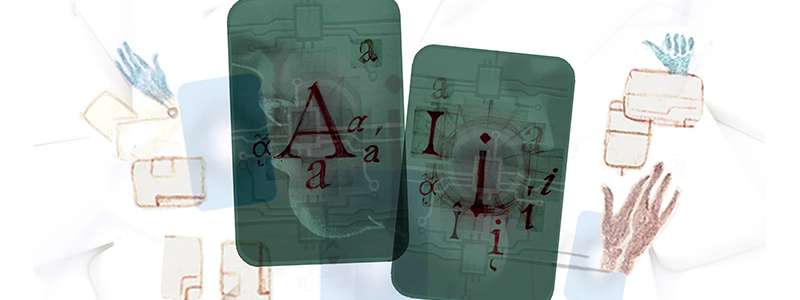
Public Lecture Series: Taming the Machines. Talking to Myself With AI: From Self-Knowledge to Solitude
Dr. Lucy Osler (University of Exeter, UK)
AI in its many forms is often presented as a driver of “progress”: improving lives, accelerating solutions, and expanding human possibilities. This talk offers a critical framework for assessing such claims. Drawing on a pragmatist understanding of progress, it proposes that genuine progress consists in removing entrenched obstacles to human flourishing – especially where deprivation, exclusion, and domination persist.
Against this standard, I examine how and why AI’s most celebrated promises often misfire. First, the political economy of AI entails massive opportunity costs: While severe deprivation remains cheaply preventable, extraordinary resources are channelled into ever more powerful IT systems. Second, “sustainable AI” narratives often function as a reputational alibi rather than meeting defensible threshold standards of sustainability. Third, some of the most ambitious AI imaginaries carry troubling assumptions about authority and hierarchy, about who decides and who counts.
The critical conclusion is not anti-technology, but firmly pro-justice. It is imperative to resist any potential hypes, to ask critical questions, and to accept responsibility for just regulation and reform as a shared political task. Furthermore, genuine progress needs to begin by taking seriously those at the margins.
- UHH

Universität Hamburg
Adeline Scharfenberg