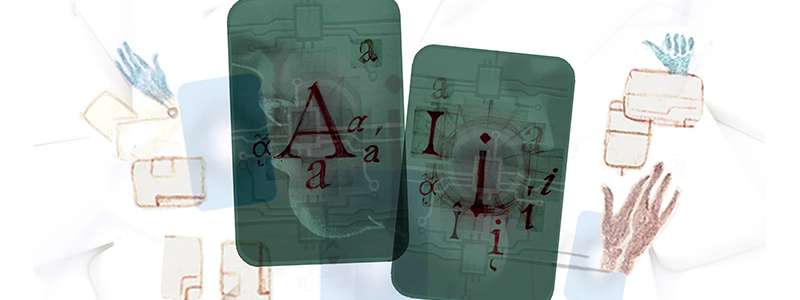
Public Lecture Series: Taming the Machines. Artificial Intelligence and Progress? A Pragmatist, Justice-Oriented Critique
Prof. Dr. Jan-Christoph Heilinger, Universität Witten/Herdecke, DE
AI in its many forms is often presented as a driver of “progress”: improving lives, accelerating solutions, and expanding human possibilities. This talk offers a critical framework for assessing such claims. Drawing on a pragmatist understanding of progress, it proposes that genuine progress consists in removing entrenched obstacles to human flourishing – especially where deprivation, exclusion, and domination persist.
Against this standard, I examine how and why AI’s most celebrated promises often misfire. First, the political economy of AI entails massive opportunity costs: While severe deprivation remains cheaply preventable, extraordinary resources are channelled into ever more powerful IT systems. Second, “sustainable AI” narratives often function as a reputational alibi rather than meeting defensible threshold standards of sustainability.
The critical conclusion is not anti-technology, but firmly pro-justice. It is imperative to resist any potential hypes, to ask critical questions, and to accept responsibility for just regulation and reform as a shared political task. Furthermore, genuine progress needs to begin by taking seriously those at the margins.
- UHH

Universität Hamburg
Adeline Scharfenberg